|
" HOMOPTERES " |
|
|
La famille des Cicadidae, sur le plan anatomique, est caractérisée , characterized by a distinct head, robust thorax, and segmented abdomen. The head is the smallest tagma, forming a sclerotized capsule dominated by two prominent lateral compound eyes and three ocelli arranged in a triangle on the vertex and frons. The robust thorax consists of three segments, with the mesothorax being the largest to accommodate flight muscles; it supports a pair of large, hyaline forewings and smaller hindwings, both membranous and held roof-like over the abdomen at rest. The forewings have 2–3 dark patches.[2][14] The mouthparts form a long, slender rostrum, or beak, comprising piercing-sucking stylets adapted for feeding on xylem sap from plants.[13] Adults measure 18–21 mm in body length excluding wings.[14] Abdominal features include specialized structures for reproduction and communication. In males, timbal organs are located on the dorsal anterior abdomen, specifically on tergite 2, consisting of a thin tymbal plate with embedded ribs that buckle and rebound to produce sound, amplified by adjacent air sacs and the abdominal cavity.[13] These timbals are partially covered by opercula extending from the metathorax. In females, the abdomen terminates in a saw-like ovipositor, a valvular structure used to incise slits in plant twigs for egg deposition.[13] The abdomen comprises 10 segments, with tergites forming arched dorsal plates and sternites covering the venter.[13] Leg adaptations reflect the species' lifestyle transitions. The forelegs are prehensile, featuring an enlarged femur with a spined or toothed lower margin that, along with the opposing tibia, forms a grasping mechanism for gripping bark during adult perching and, in the nymph stage, for emergence from soil and climbing tree trunks.[13][15] The mid- and hindlegs are ambulatory, with the hindlegs being the longest for propulsion and armed with 3–4 spines on the femur, the basal one notably longer.[13][2]nymphs feed exclusively on xylem sap extracted from the roots of host plants during their prolonged underground phase, while adults use their piercing mouthparts to suck xylem sap from stems and twigs of the same or similar plants above ground
La Cigale plébéienne (Lyristes plebejus), la Cigale grise (Tettigia orni) et la Cigale noire (Cicadatra atra) sont les 3 espèces que l'on entend "chanter" le plus, en été, dans le sud de la France.
|
Cicadoidea > Cicadidae > Platineurinae> Lyristes plebejus ( Scopoli ) |
|
|
|
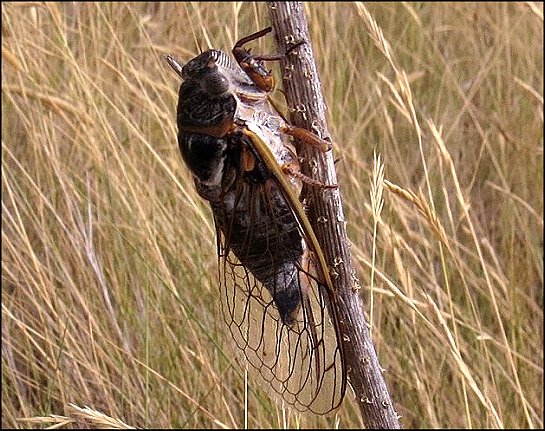
Vue latérale droite. Domitienne (© photo A.Lopez) |
|
Hemiptera > Auchenorrhyncha > (Homoptera) > Cicadoidea > Cicadidae > Platineurinae> |
|
|
|
|
|
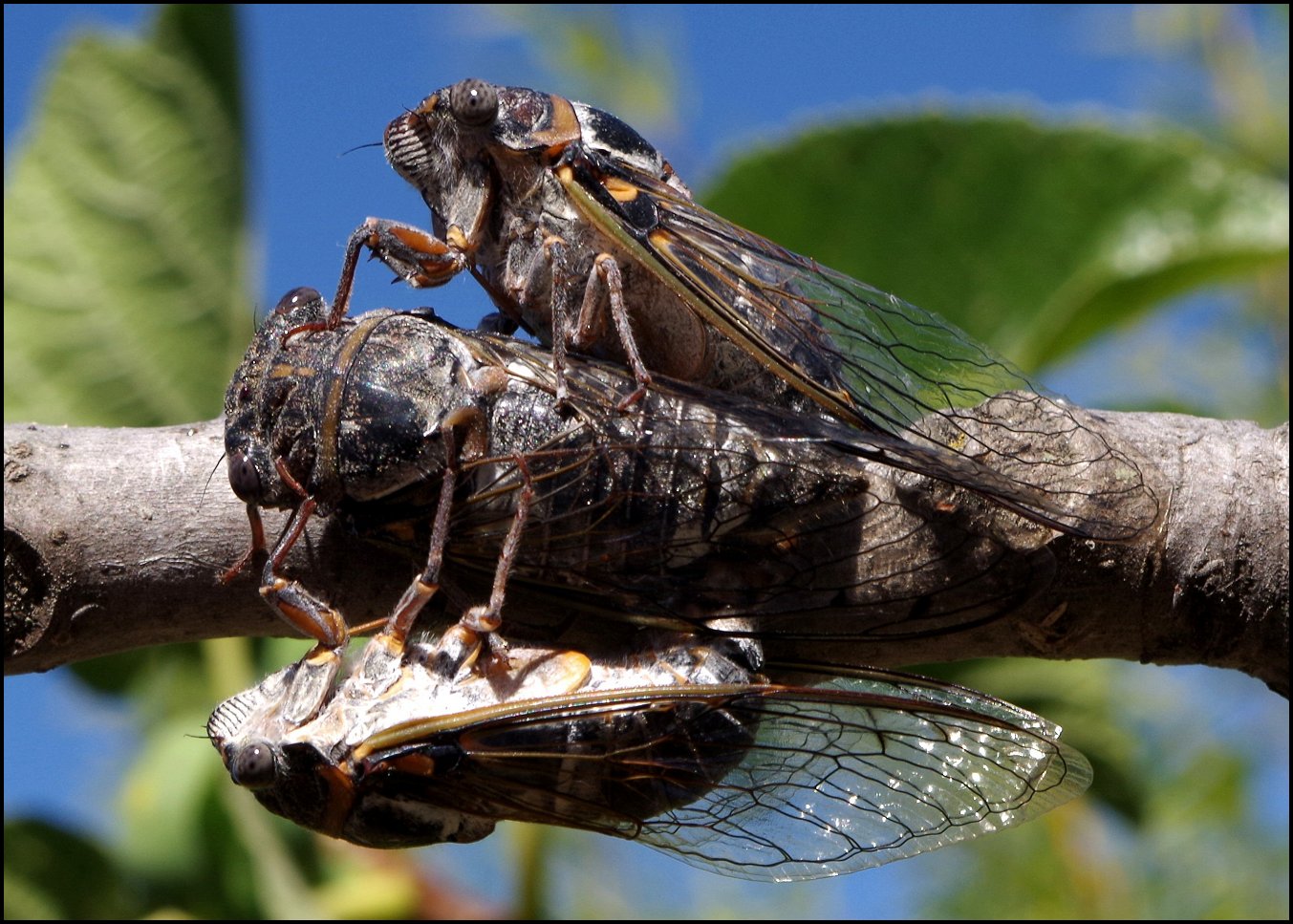
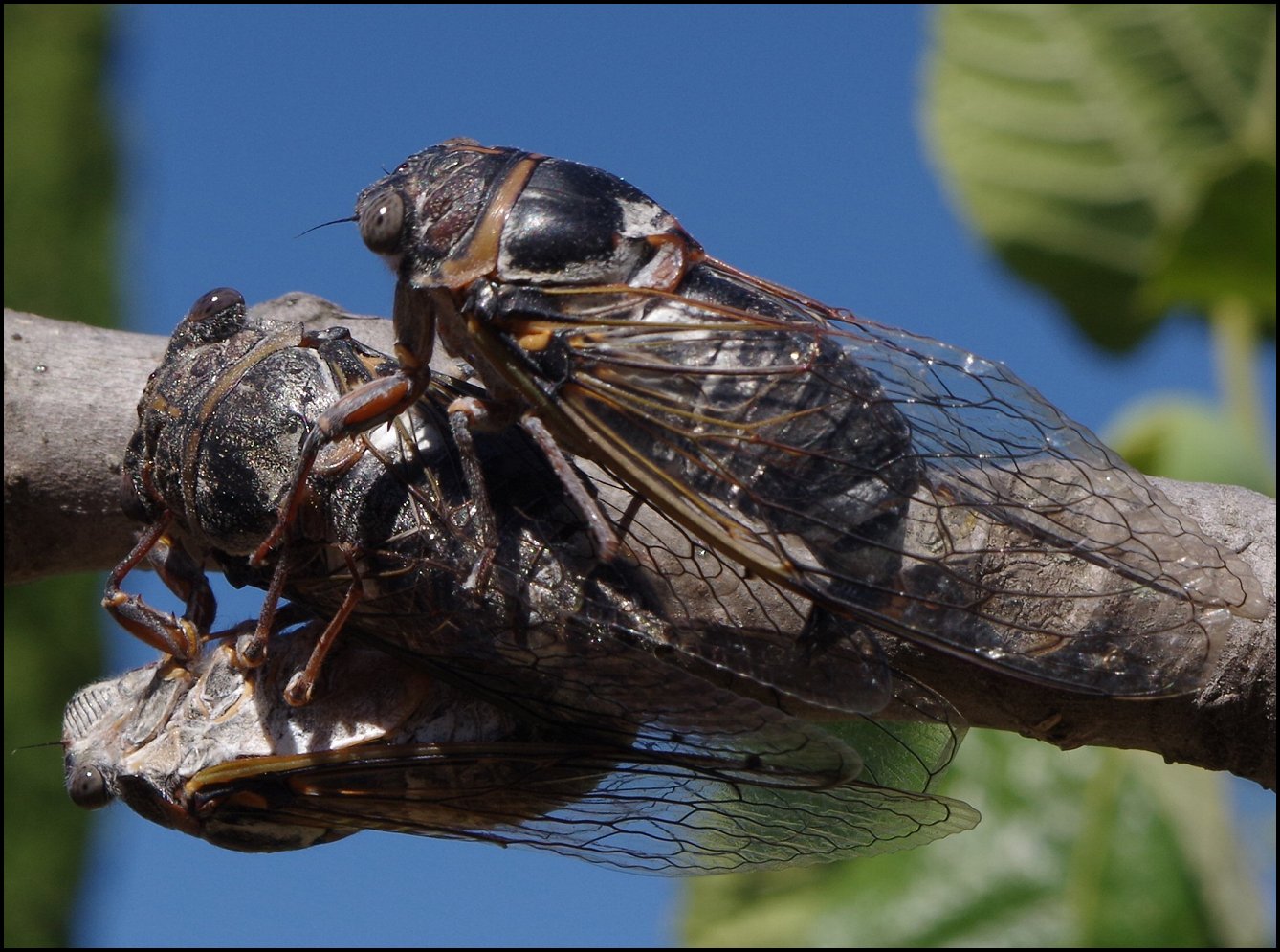
Accouplement. Saint-Chinianais (© photo F.Marcou) |
Les mêmes, autre vue (© photo F.Marcou) |
|
Cicadoidea > Cicadidae > Platineurinae> Lyristes plebejus ( Scopoli ) |
|
|
|
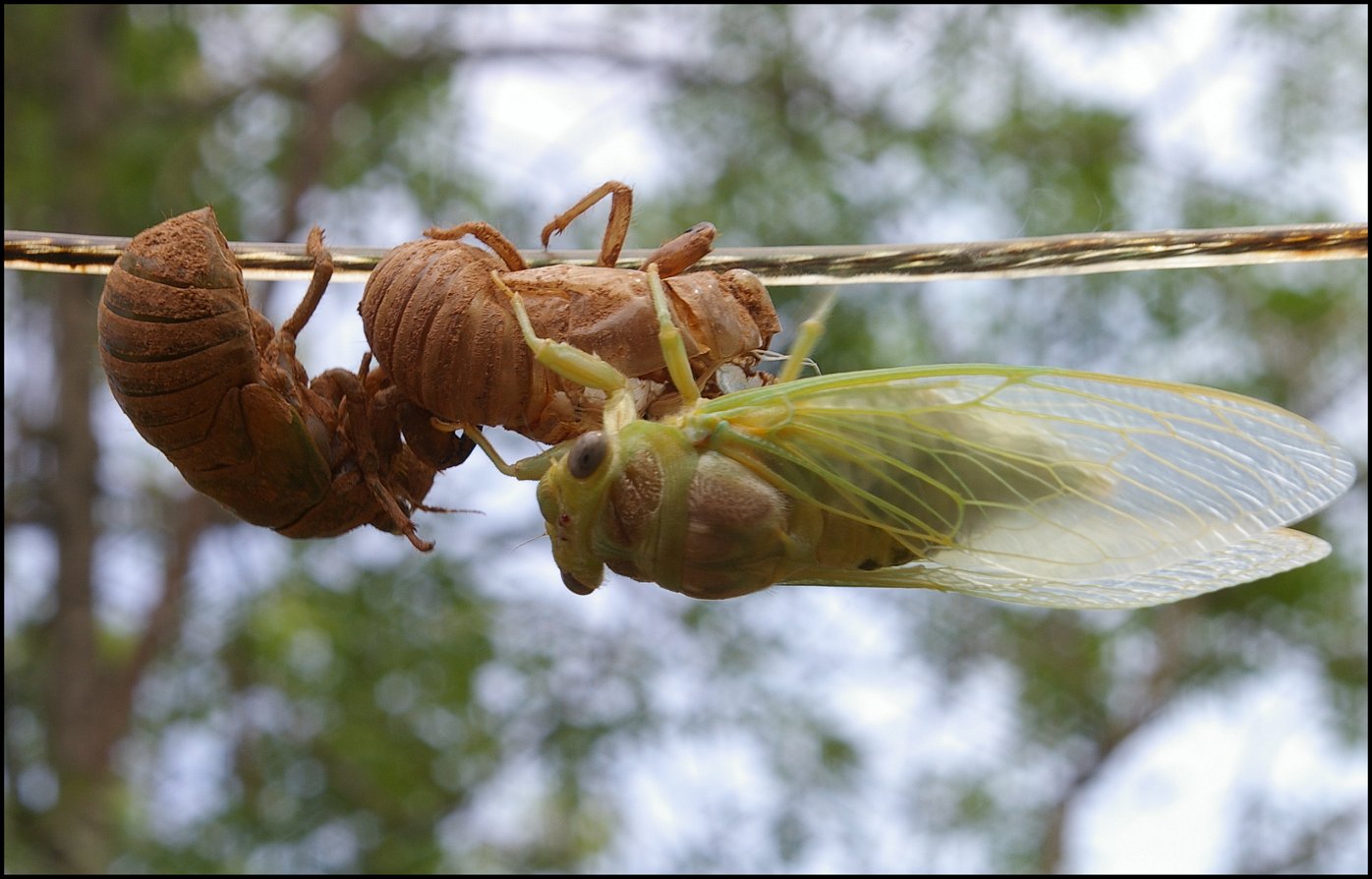
Imago sorti de son exuvie. Saint-Chinianais (© photo F.Marcou) |
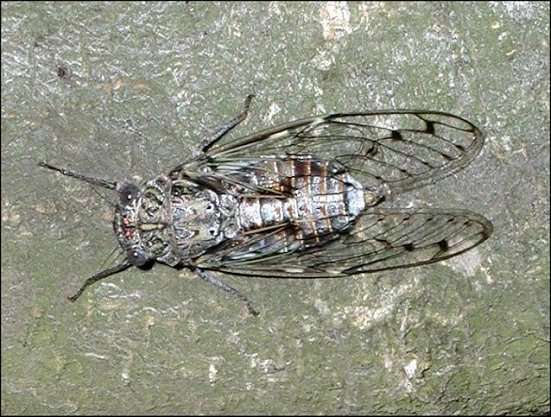
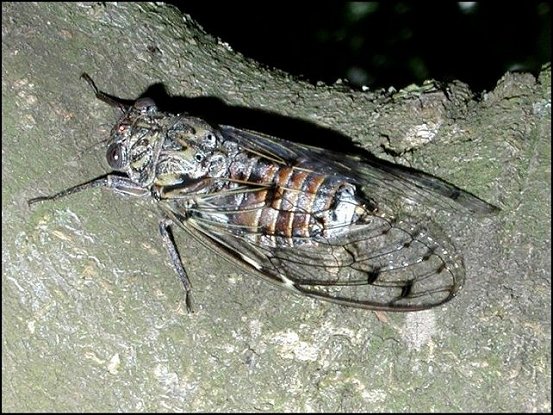
|
Hemiptera > Auchenorrhyncha > (Homoptera) > Cicadoidea > Cicadidae > Tettigia (Cicada) orni ( Linné ) |
|
|
|
|
|
Vue latérale gauche. Domitienne (© photo A.Lopez) |
Vue ventrale. Capturée par Neoscona adiantum. (© photoF.Marcou) |
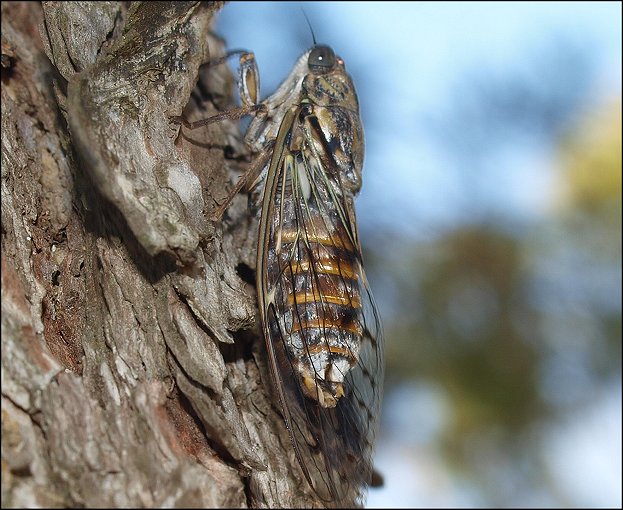
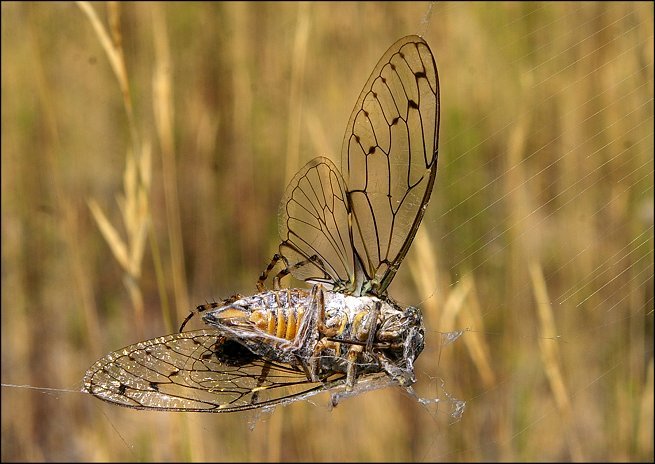
|
Cicadoidea > Cicadidae > Tettigia (Cicada) orni ( Linné ) |
|
|
|
Vue dorso-latérale droite. Capturée par Argiope lobata. Domitienne (© photoA. Lopez) |
|
|
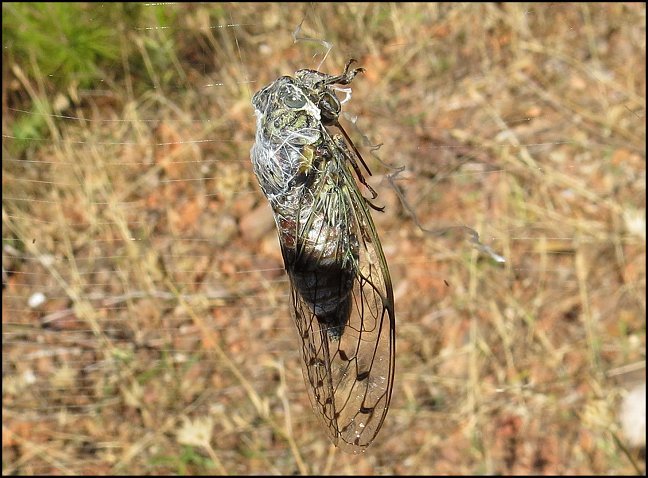
|
Cicadoidea > Cicadidae > Tettigia (Cicada) orni ( Linné ) |
|
|
|
Vue dorsale, partie antérieure du corps. Saint-Chinianais (© photoF.Marcou) |
|
|
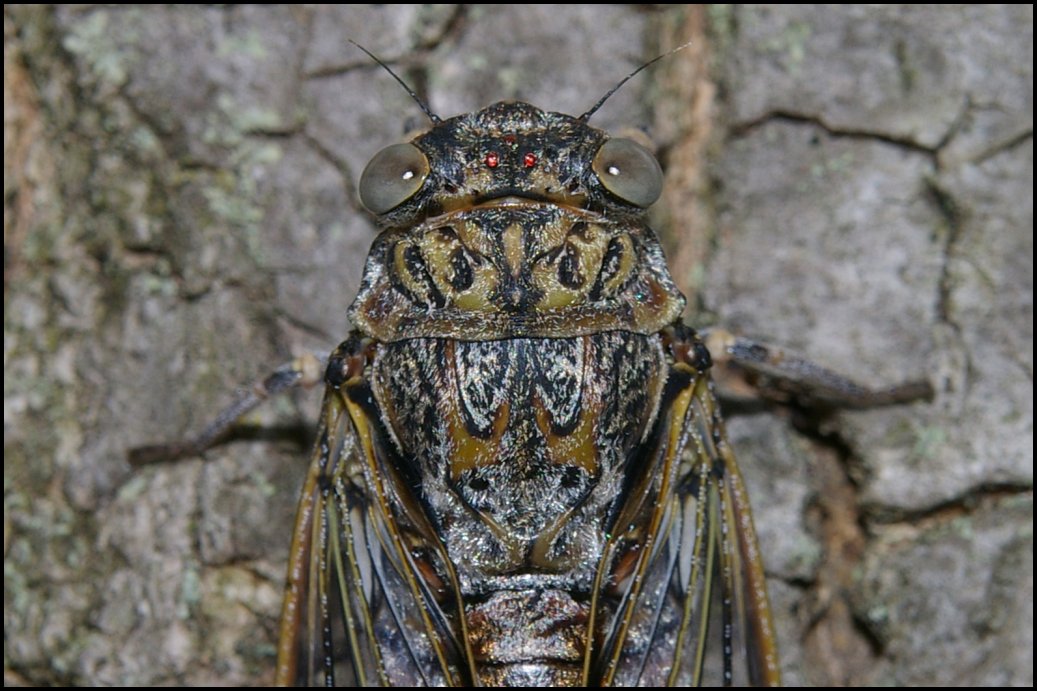
|
Cicadoidea > Cicadidae > Tettigia (Cicada) orni ( Linné ) |
|
|
|
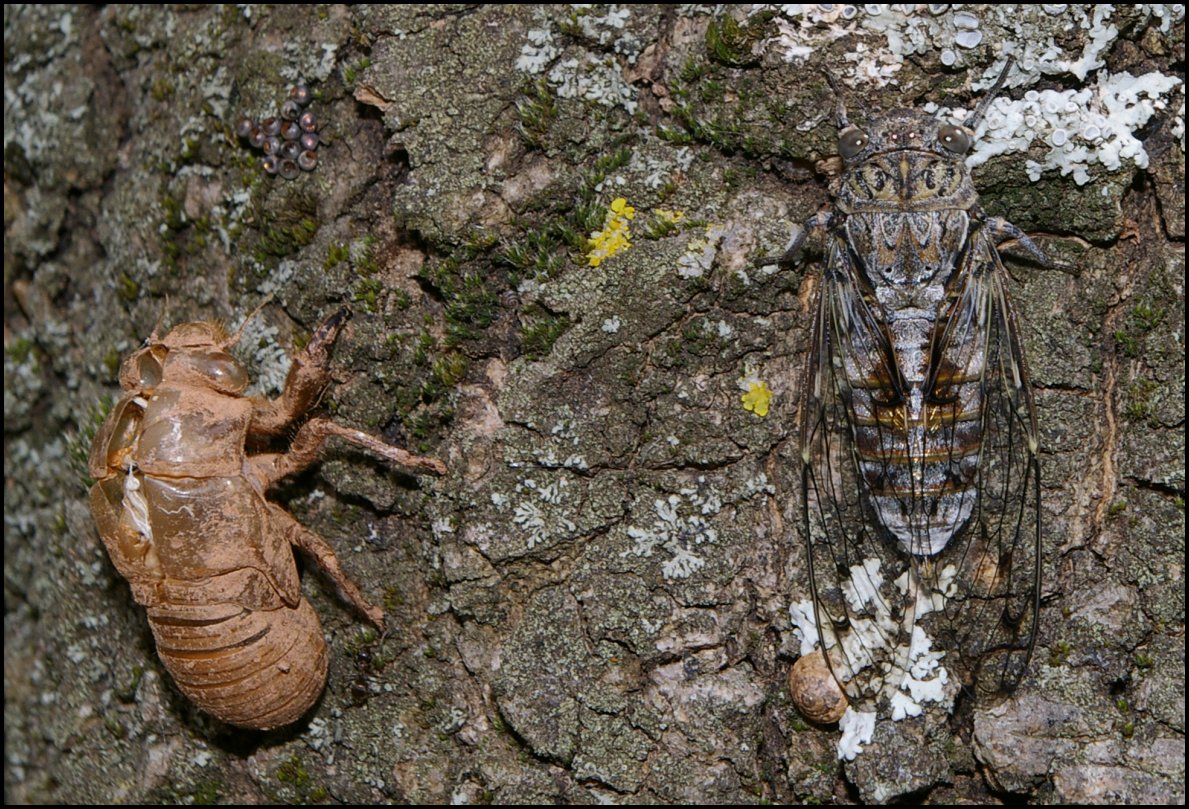
Autre
individu en vue dorsale, à droite d’une
exuvie. Saint-Chinianais (© photo
F.Marcou)
|
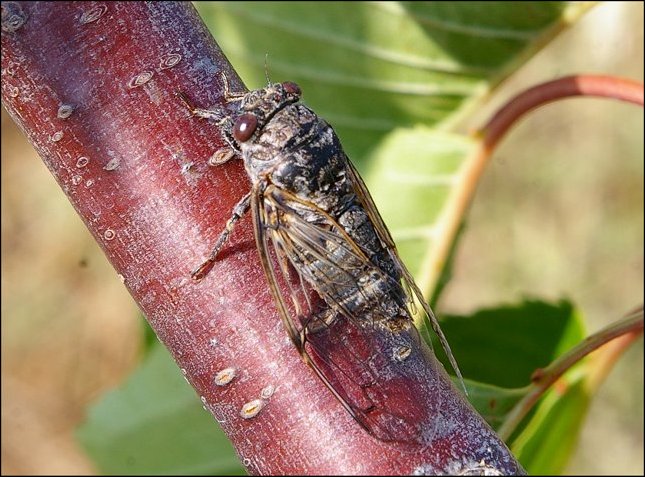
2–3
dark patches on the forewings, and the third
femur armed with 3–4 spines, the basal one being notably longer
|
Hemiptera > Auchenorrhyncha > (Homoptera) > Cicadoidea > Cicadidae > Cicadatra atra ( Olivier ) |
|
|
|
|
|
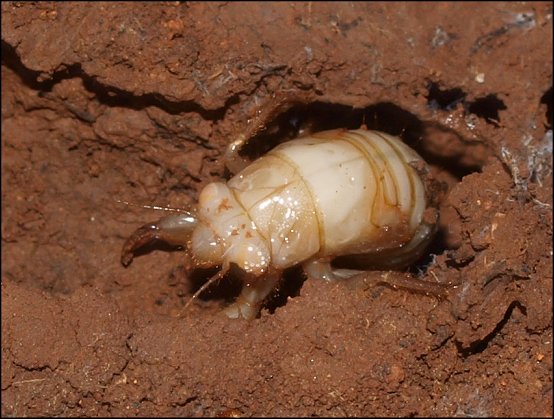
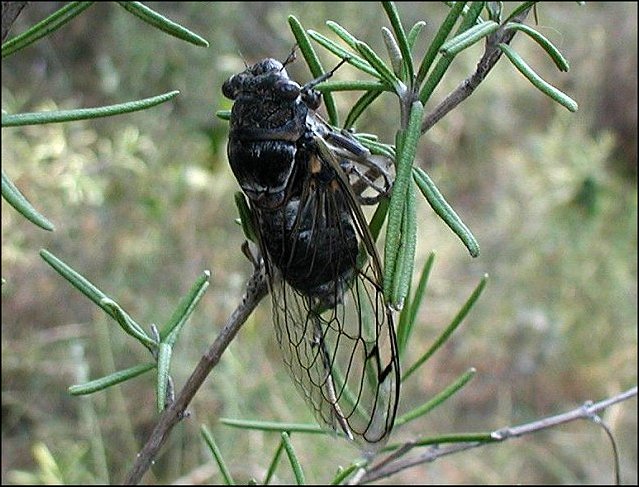
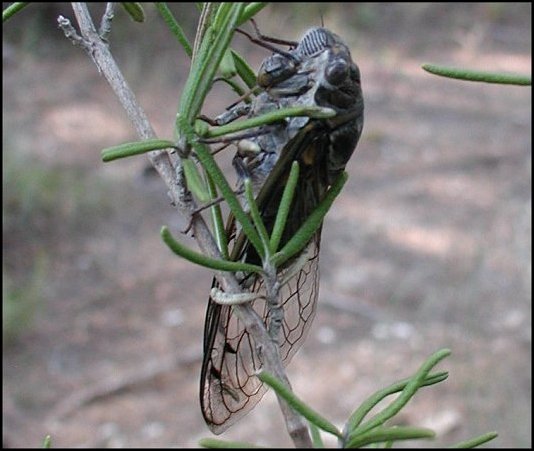
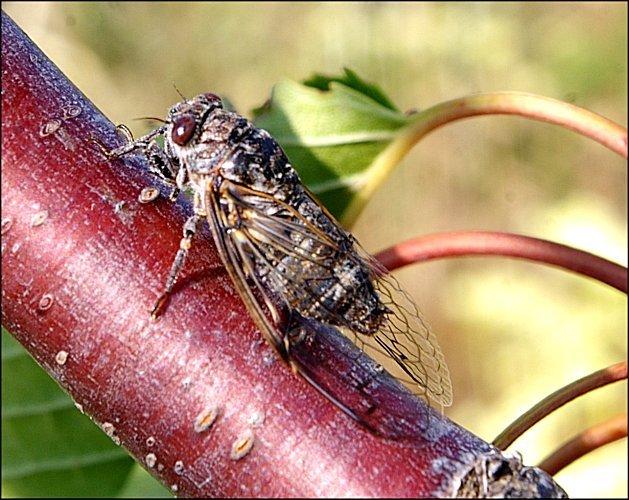
Autre vue dorso-latérale gauche
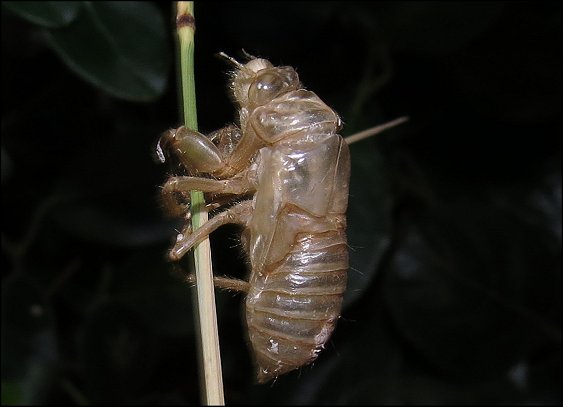
(© photos F.Marcou) |
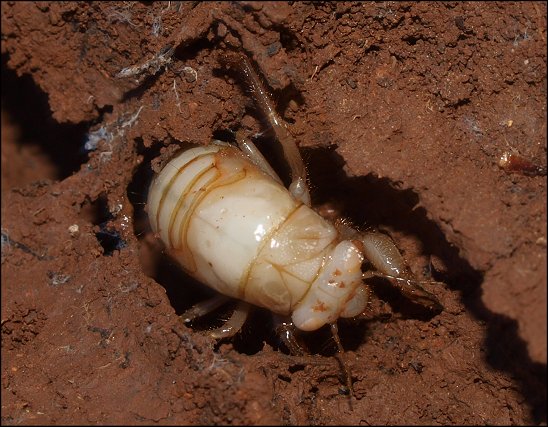
Nymphe, vue latérale gauche. Saint-Chinianais. |
|
icadidae > Cicadatra atra ( Olivier ) |
|
|
|
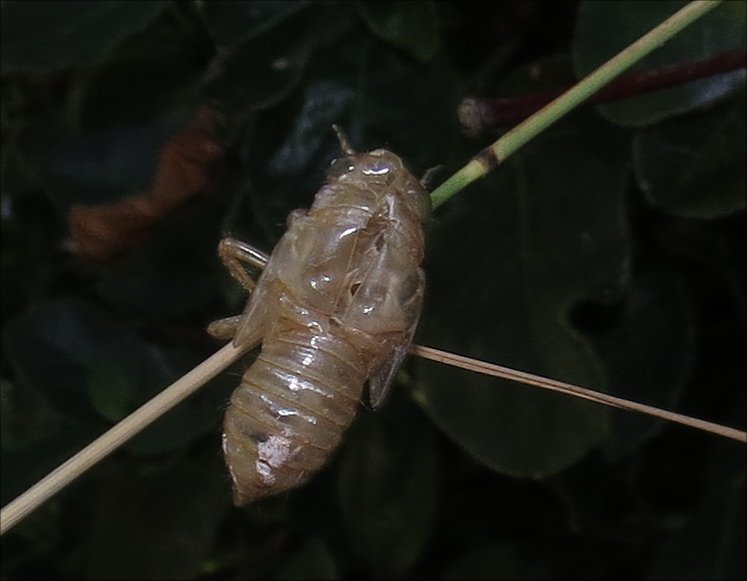
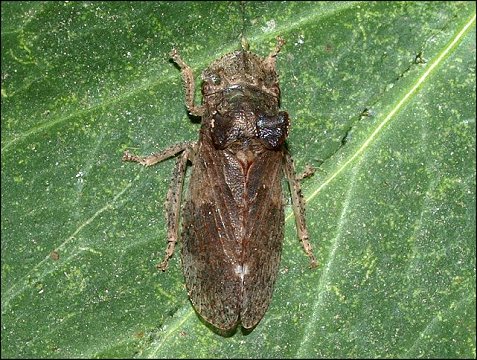
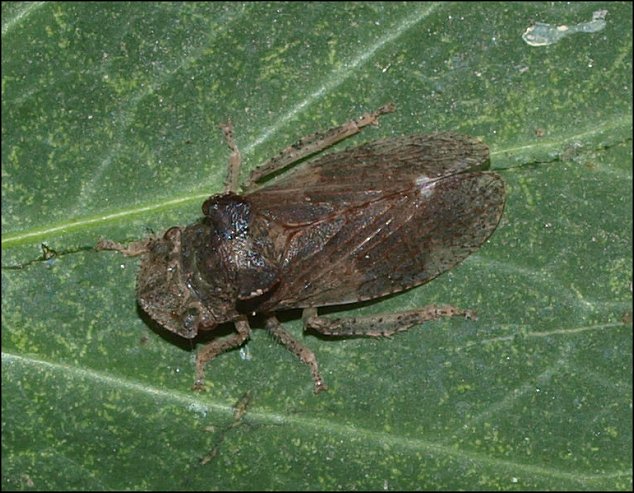
La même, vue dorsale (© photo F.Marcou) |
|
Hemiptera > Auchenorrhyncha > (Homoptera) > Cicadomorpha > Cicadellidae > Ledrinae >Ledra aurita (Linnaeus) |
|
|
|
|
|
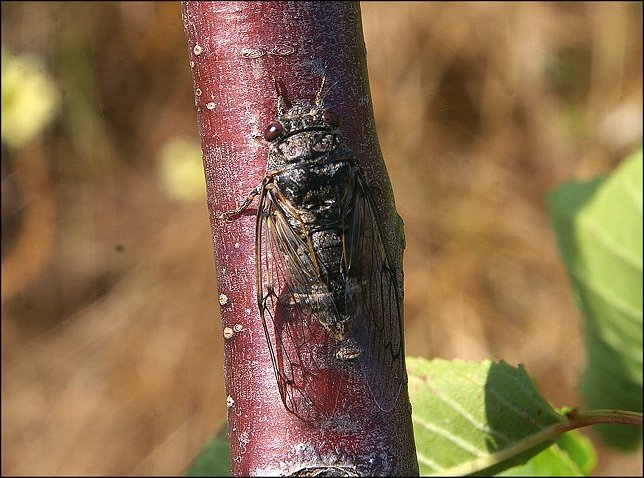
La même, vue dorso-latérale gauche (© photo A..Lopez) Sur Figuier |
Autre vue dorso-latérale gauche (© photo A..Lopez) Sur Figuier |
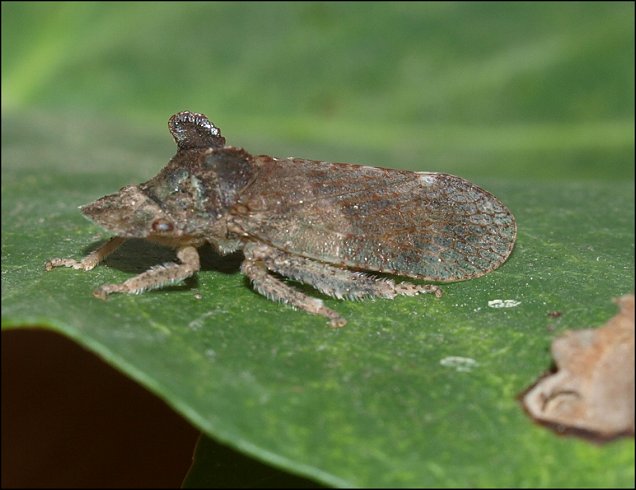
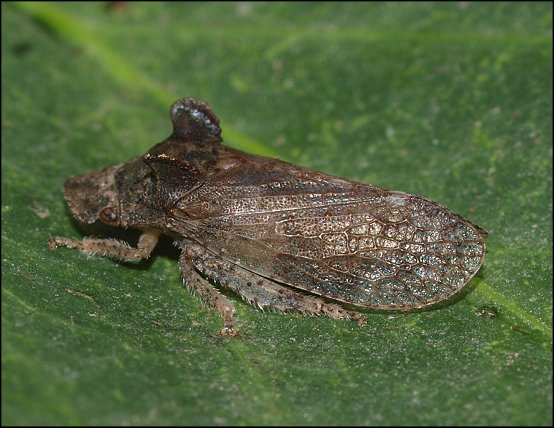
|
Hemiptera > Auchenorrhyncha > (Homoptera) > Cicadomorpha > Cicadellidae > Ledrinae >Ledra aurita (Linnaeus) |
|
|
|
|
|
Autre vue dorso-latérale gauche (© photo A..Lopez) Sur Figuier |
Autre vue dorsale (© photo A..Lopez) Sur Figuier |
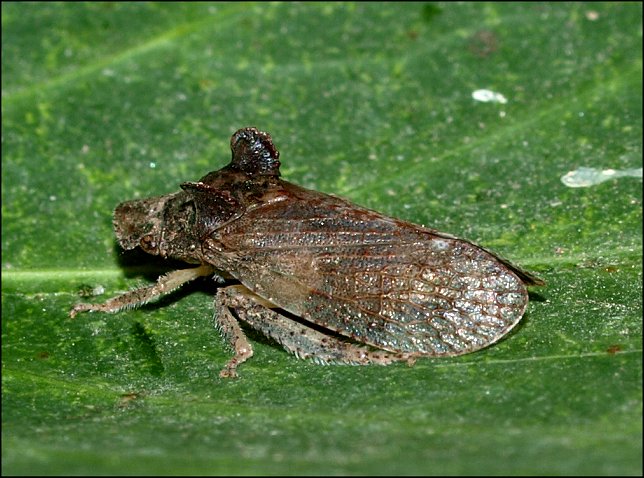
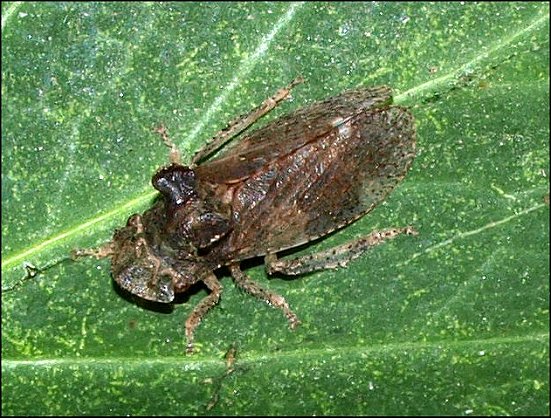
|
Cicadomorpha > Cicadellidae > Ledrinae >Ledra aurita (Linnaeus) |
|
|
|
Vue antéro -latérale gauche (© photo A..Lopez) Sur Figuier |
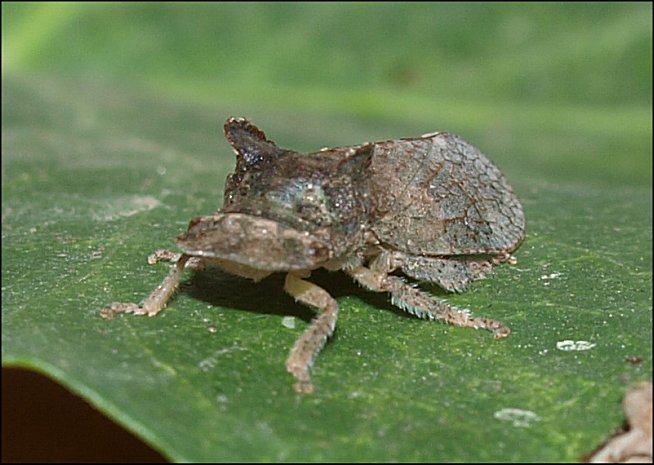
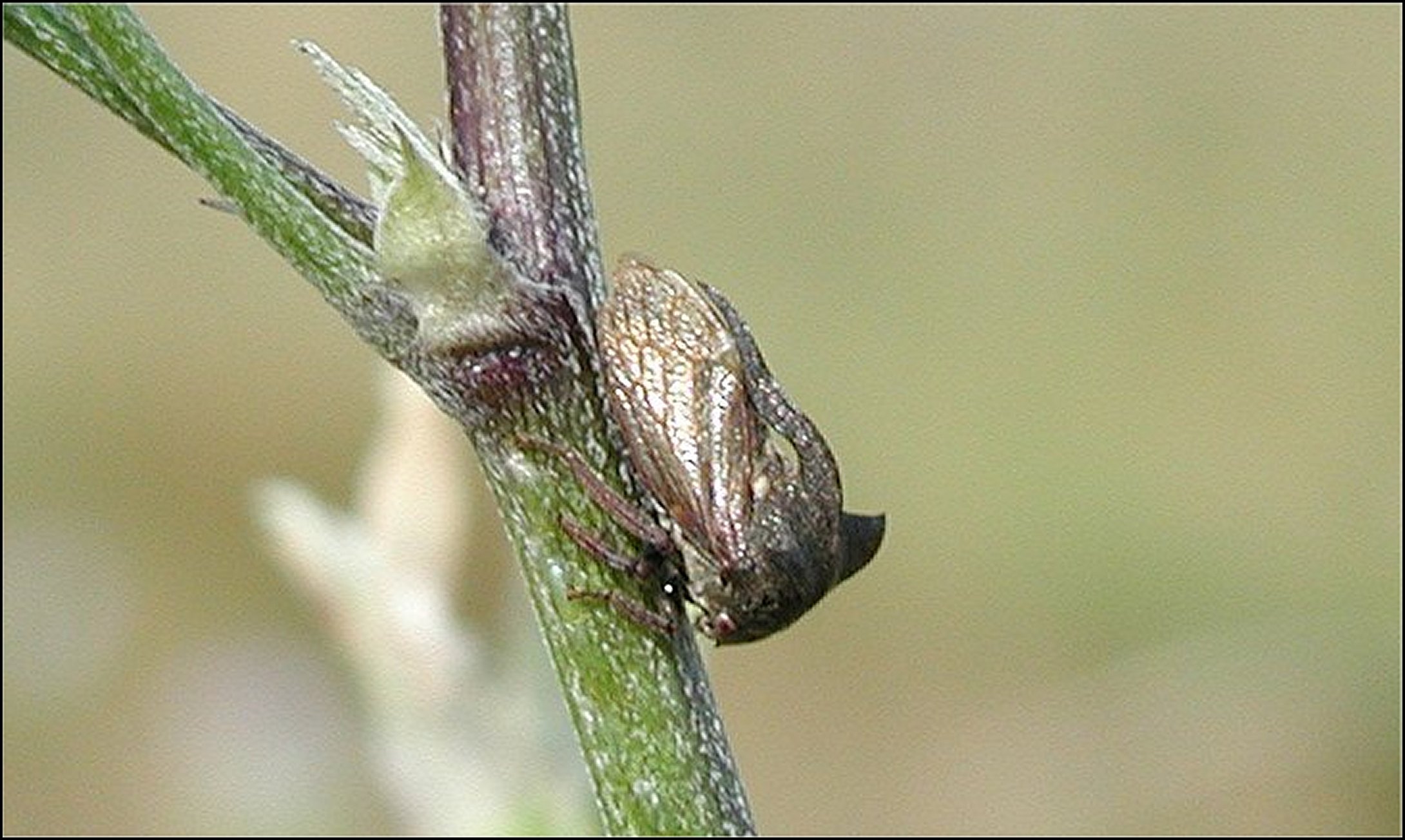
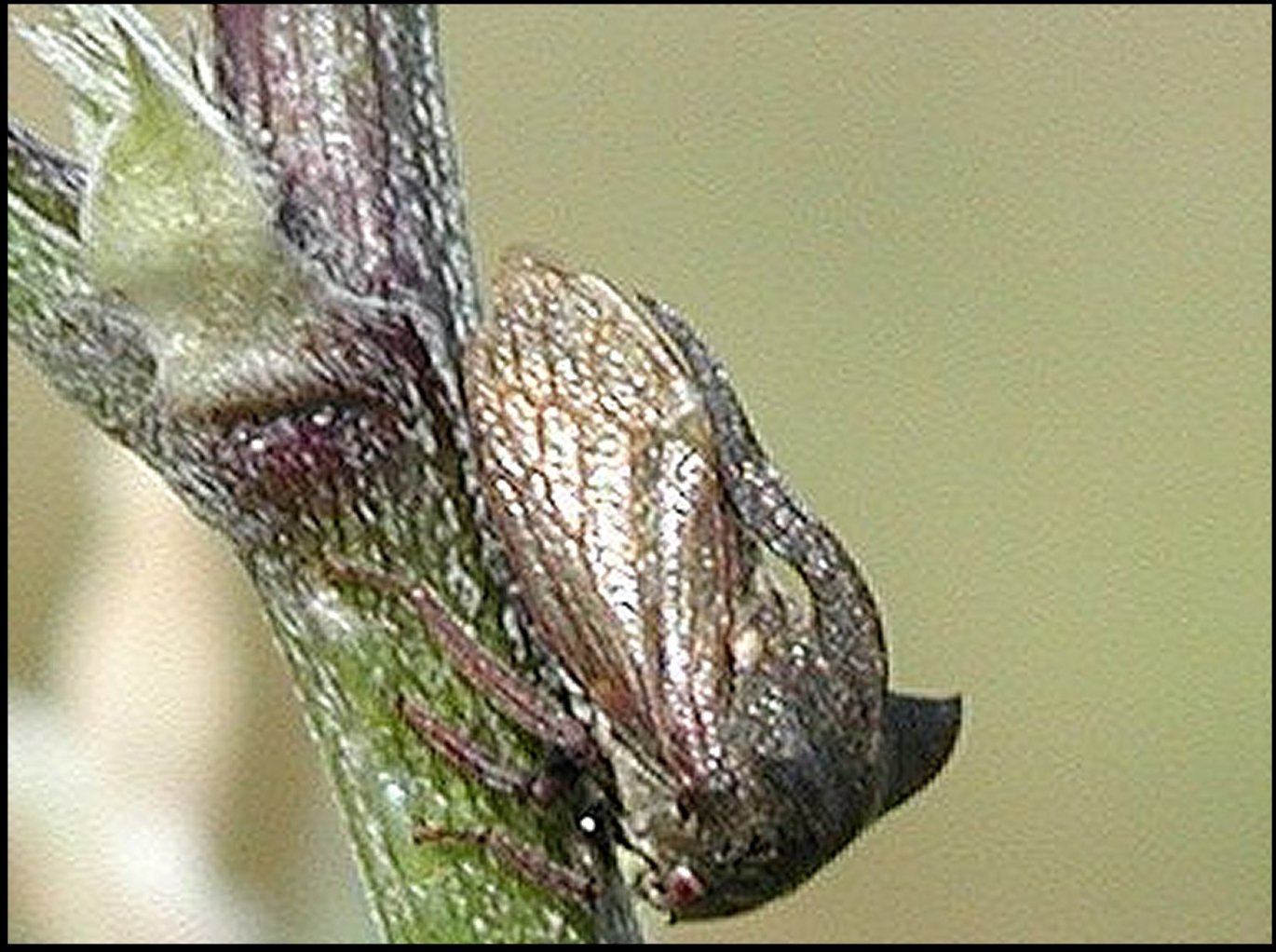
|
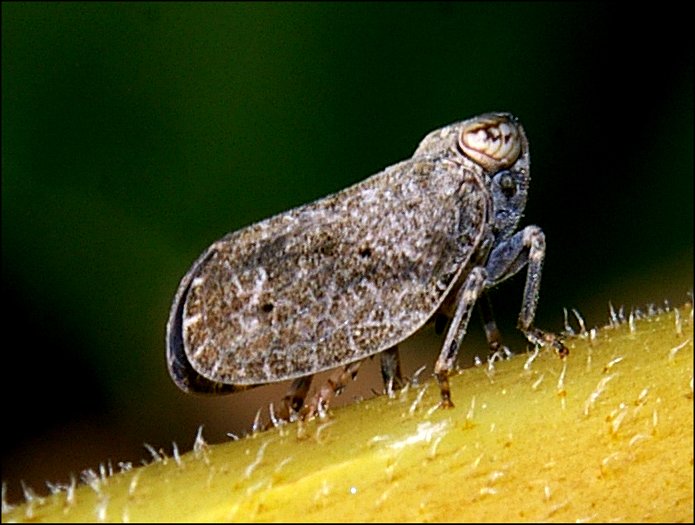
Hemiptera > Auchenorrhyncha (Homoptera) > Fulgoromorpha > Issidae > Issinae > Hysperopterum (grylloides ?). A déterminer |
|
|
|
Vue latérale droite. Saint-Chinianais (© photo F.Marcou) |
|
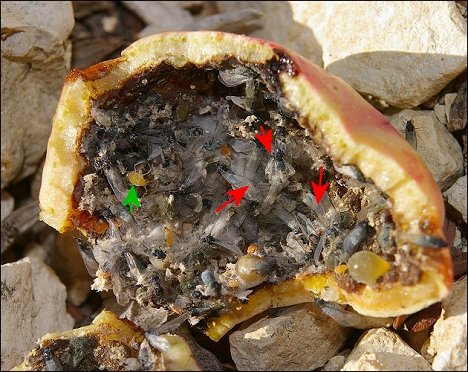
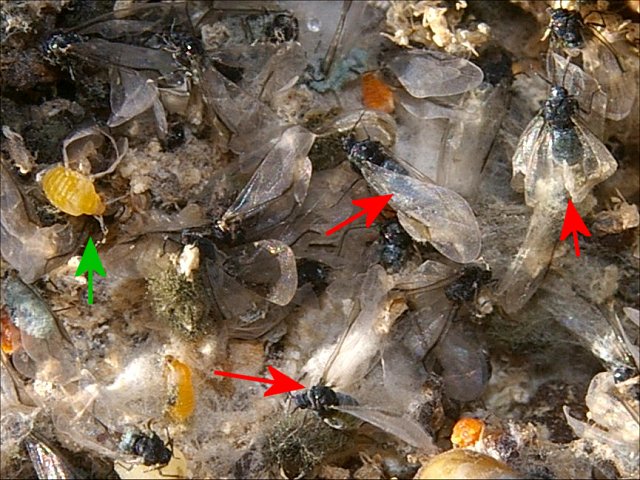
Hemiptera > Sternorrhyncha (Homoptera) > Aphidoidea > Aphididae > Fordinae > Forda marginata (Koch) A confirmer |
|
|
|
|
|
Galle de
Terebinthe ouverte, Saint-Chinianais Flèches : Pemphigiens |
Détail : aptère (flèche verte) et ailés (flèches rouges) (© photos F.Marcou) |
|
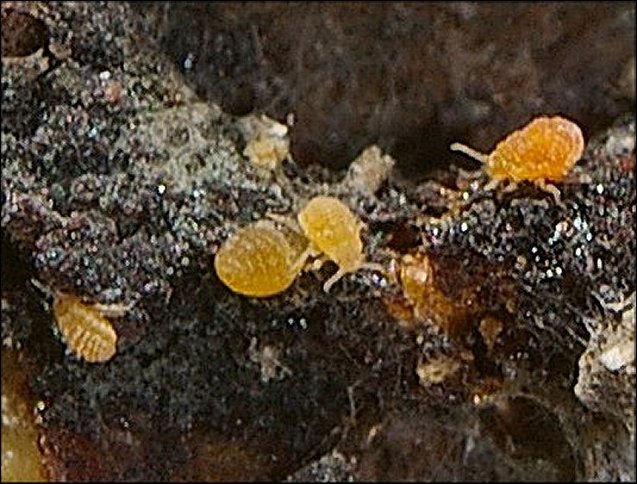
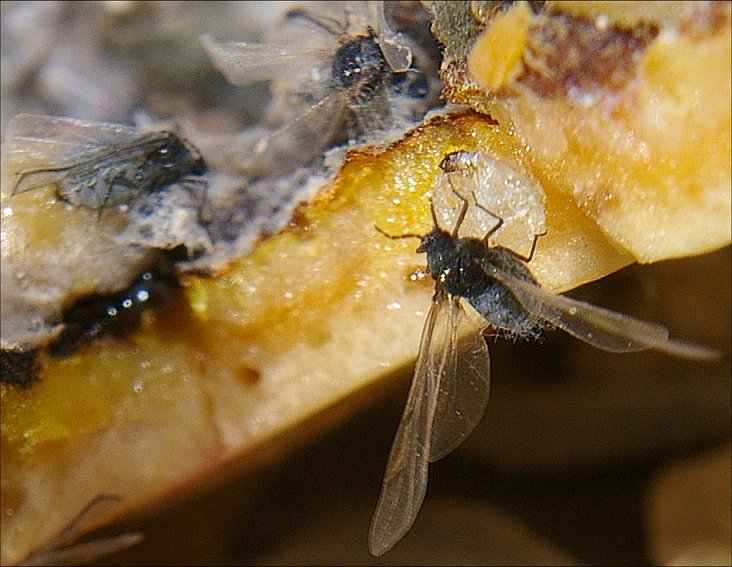
Hemiptera >Sternorrhyncha (Homoptera) > Aphidoidea > Aphididae > Fordinae > Forda marginata (Koch) Espèce à confirmer |
|
|
|
|
|
Même galle: quatre autres aptères |
Même galle : autre ailé (© photos F.Marcou) |
|
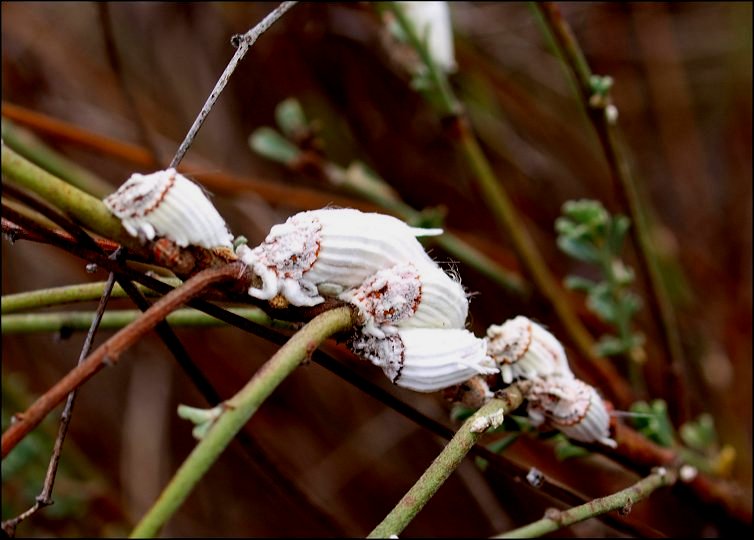
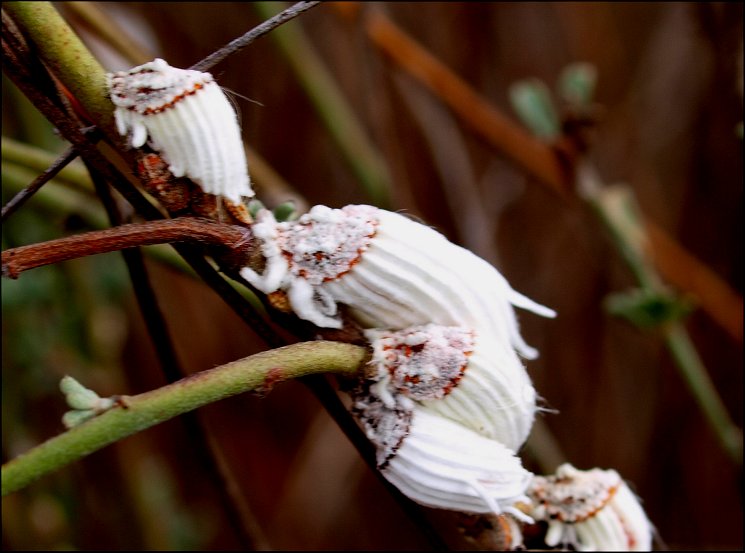
Hemiptera >Sternorrhyncha (Homoptera) > Coccoidea > Margarodidae > Icerya
(Pericerya) purchasi Maskell |
|
|
|
|
|
Groupement sur Dorycnium. Domitienne (© photo A.Lopez) |
Détail du précédent (© photo A.Lopez) |
|
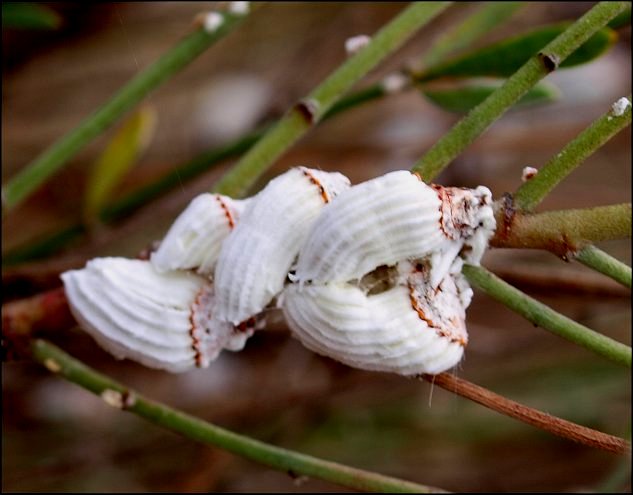
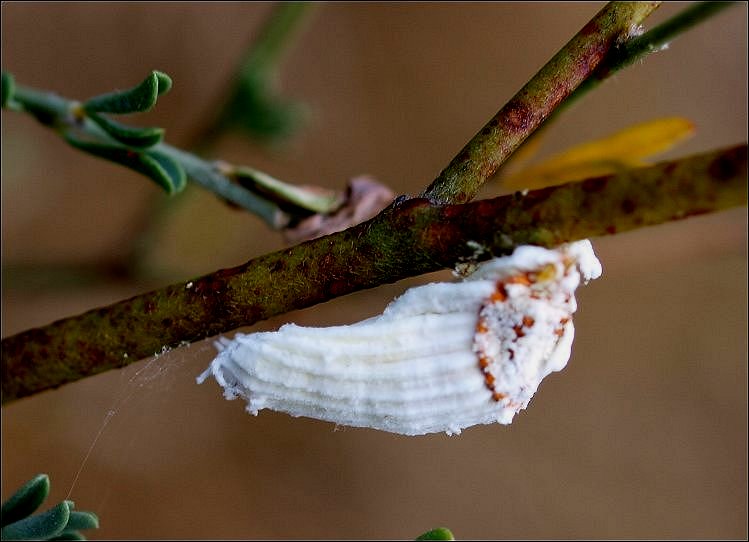
Hemiptera > Sternorrhyncha (Homoptera) > Coccoidea > Margarodidae > Icerya (Pericerya) purchasi Maskell |
|
|
|
|
|
Autre groupement sur Dorycnium (© photo A.Lopez) |
Individu isolé, vue latérale (© photo A.Lopez) |
|
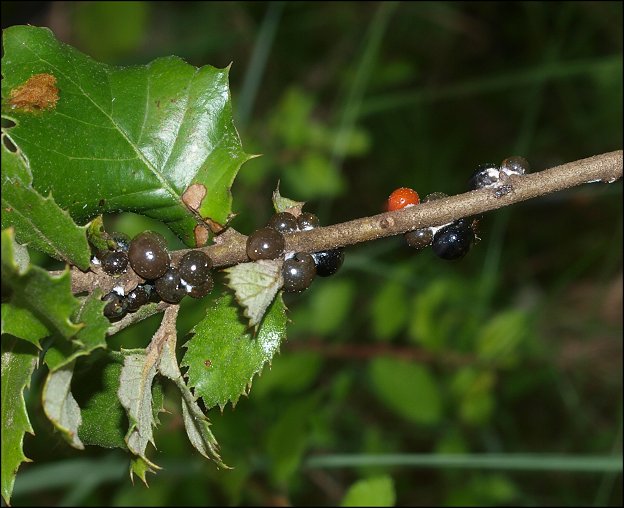
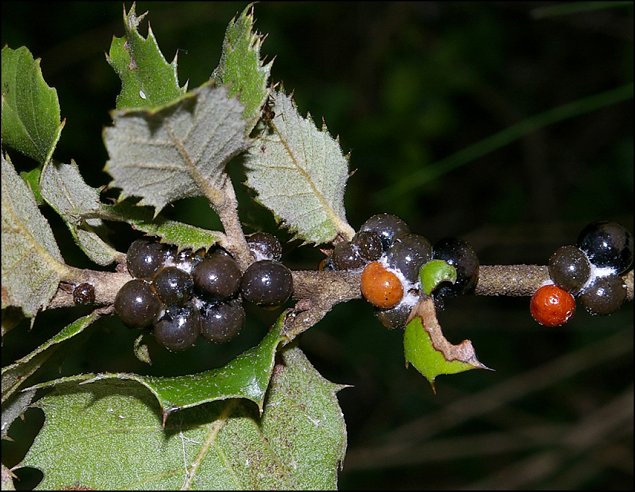
Hemiptera > Sternorrhyncha (Homoptera) > Coccoidea > Kermesidae > Kermes (Kermococcus) ilicis (Linnaeus) |
|
|
|
|
|
Colonie sur Quercus ilex. Saint-Chinianais (© photo A.Lopez) |
La même, autre vue (© photo F.Marcou) |
|
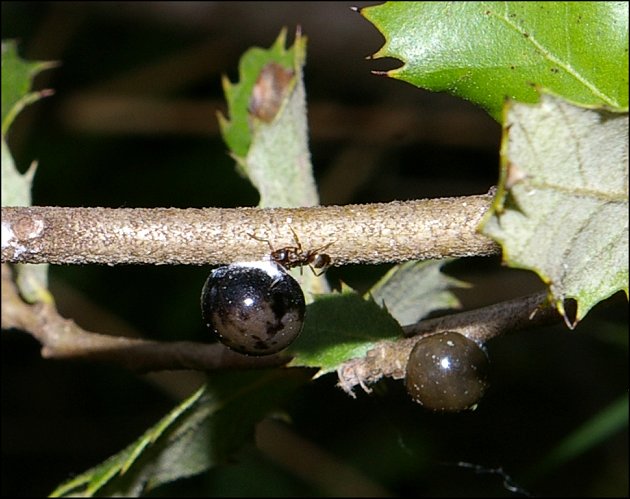
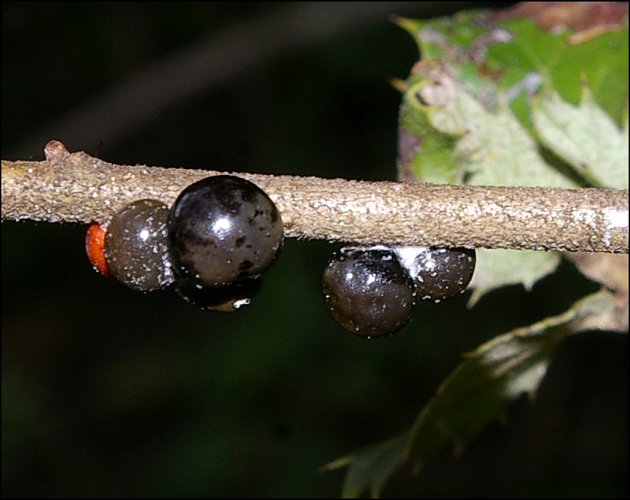
Hemiptera > Sternorrhyncha (Homoptera) > Coccoidea > Kermesidae > Kermes (Kermococcus) ilicis (Linnaeus) |
|
|
|
|
|
Deux individus isolés, fourmi : détails
(© photo F.Marcou) |
Cinq autres individus (groupés) : détails (© photo F.Marcou) |
|
aux vignettes |